Streamlining HR and Recruitment with AI-Powered Automation
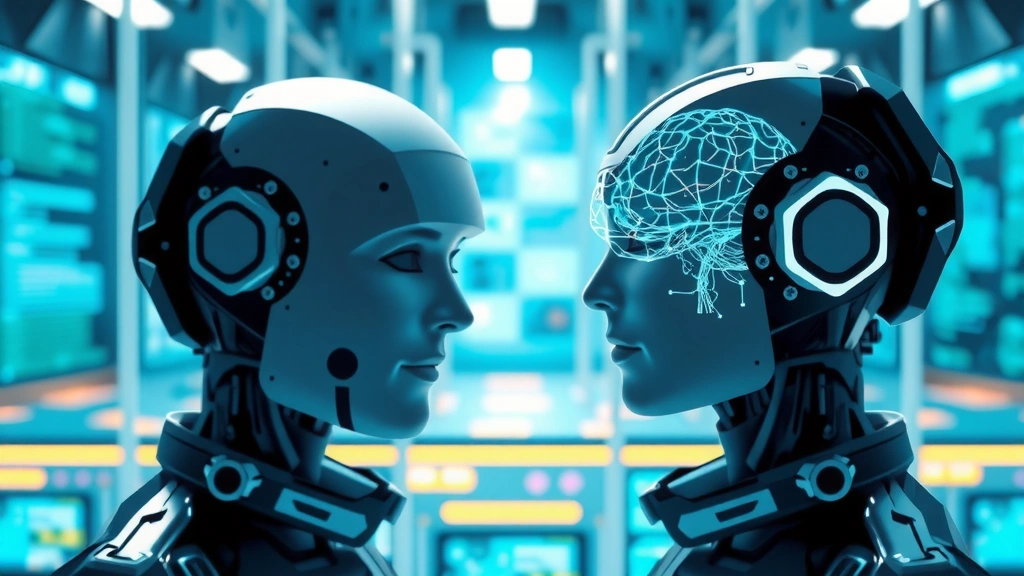
The integration of Artificial Intelligence (AI) in Human Resources (HR) and recruitment processes is transforming the way organizations approach talent acquisition and management. AI-powered automation is not only enhancing efficiency but also improving the quality of hire and candidate experience. By leveraging machine learning models, natural language processing (NLP), and data analytics, HR professionals can automate routine tasks, gain deeper insights into candidate data, and make more informed decisions.
Key AI Technologies for HR and Recruiting Automation
Several AI technologies are driving the automation of HR and recruiting processes. Large Language Models (LLMs) and transformer architectures, such as those developed by Hugging Face and OpenAI, are being used to analyze and generate human-like text. This capability is particularly useful in chatbots and virtual assistants that help candidates with queries, schedule interviews, and provide feedback.
The use of embeddings and tokenization enables the efficient processing of text data, allowing for the extraction of relevant information from resumes and job descriptions. This information can then be used to match candidates with suitable job openings or to identify skill gaps. Moreover, frameworks like PyTorch and LangChain facilitate the development and deployment of AI models, making it easier for HR teams to integrate AI into their workflows.
Practical Applications and Implementation
The practical applications of AI in HR and recruiting are vast. For instance, AI-powered tools can automate the screening of resumes, reducing the time spent on manual screening and minimizing the risk of bias. By setting up a data pipeline that feeds candidate data into an AI model, HR professionals can quickly benchmark candidates against a set of predefined criteria.
To deploy AI solutions, HR teams can utilize APIs and Software Development Kits (SDKs) provided by AI platforms. For example, integrating an AI-powered chatbot into a career website can enhance candidate engagement and provide instant responses to common queries. When implementing AI solutions, considerations around latency, throughput, and model fine-tuning are crucial to ensure that the AI system performs optimally and provides accurate results.
When deploying AI models, it’s essential to consider the dataset used for training. A well-curated dataset that reflects the organization’s specific needs and biases can significantly improve the model’s accuracy. Moreover, continuous fine-tuning of model parameters based on real-world performance and feedback is necessary to maintain the model’s effectiveness over time.
Frequently Asked Questions
Q: How can AI improve the candidate experience in recruitment?
AI can enhance the candidate experience by providing timely and personalized communication through chatbots and virtual assistants. It can also help in matching candidates with suitable job openings, thereby increasing the relevance of job opportunities.
Q: What are the key challenges in implementing AI for HR and recruiting automation?
Key challenges include ensuring data quality and integrity, addressing potential biases in AI models, and managing the change within the HR and recruitment teams. Ensuring seamless integration with existing HR systems and workflows is also crucial.
Q: Can AI completely replace human recruiters?
No, AI is designed to augment the capabilities of human recruiters, not replace them. While AI can automate routine tasks and provide data-driven insights, human judgment and empathy are essential for making nuanced decisions and building relationships with candidates.
For more insights on leveraging AI in various applications, explore our prompt library to understand how to craft effective prompts for AI models. Additionally, our workflow library offers practical examples of integrating AI into business processes. If you’re interested in the technical aspects of AI deployment, a deeper dive into RAG implementation might be informative.
🤖 Editor’s Pick
Editor’s Pick: AI resume screener for beginners, pairing automation tools with simple hiring productivity workflows.
Get the AI Edge, Weekly
The tools, tutorials, and trends that actually pay — no hype.